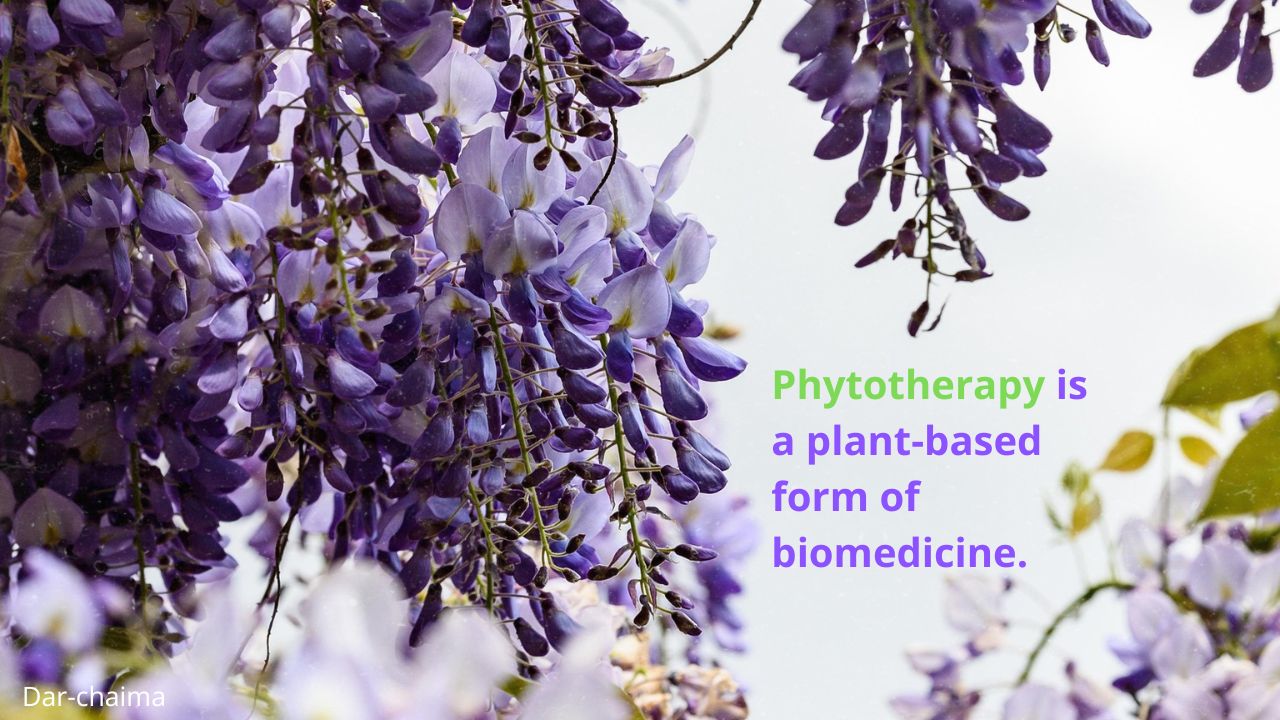
Phytotherapy, or herbal medicine, is one of the oldest forms of healthcare in the world. While it may seem like a « trend, » it is actually a sophisticated science that uses plant-derived solutions to support the body’s natural healing processes. In this guide, we explore how traditional plant wisdom meets modern science to enhance your health.
1. What is Phytotherapy? Understanding the Science of Plant Healing
Unlike general « herbalism » which can be purely traditional, phytotherapy is often defined by its scientific approach. It focuses on the therapeutic effects of active substances found in plants—such as alkaloids, flavonoids, and essential oils. By using standardized extracts, practitioners can ensure a consistent dosage of the plant’s beneficial properties to treat various ailments.
2. The Core Benefits: Why Choose Herbal Remedies?
The primary appeal of phytotherapy lies in its holistic nature. Rather than just masking a symptom, plant-based treatments often work to restore balance within the entire body. Key benefits include:
Lower risk of side effects: When used correctly, herbal medicine is generally gentler on the system than synthetic drugs.
Synergistic effect: The « totum » of the plant (all its parts) often works better together than a single isolated chemical.
Support for chronic conditions: It is particularly effective for managing long-term issues like inflammation or digestive health.
3. Top Medicinal Plants and Their Common Uses
To get started with phytotherapy, it’s helpful to know the « superstars » of the plant world. Here are a few staples:
Valerian Root: Known as « nature’s Valium, » it is widely used for sleep disorders and anxiety.
Turmeric (Curcumin): A powerful anti-inflammatory agent used for joint pain and heart health.
Echinacea: The go-to herb for boosting the immune system and shortening the duration of the common cold.
Milk Thistle: Renowned for its ability to protect and detoxify the liver.
4. How to Integrate Phytotherapy into Your Daily Routine
You don’t need to be an expert to start using plants for health. Phytotherapy comes in many accessible forms:
Infusions and Teas: The simplest way to enjoy the benefits of dried herbs.
Tinctures: Liquid extracts that offer a concentrated dose of active ingredients.
Capsules and Tablets: Ideal for those who prefer a precise, standardized intake.
Essential Oils: Used in aromatherapy or topical applications (always diluted) for immediate relief.
The Best Plants for Stress & Digestion
since stress and digestion are often linked (the « gut-brain axis »), many plants actually work on both simultaneously.
Here is a curated list of the most effective plants for managing these two common concerns, categorized by their specific actions.
For Stress and Anxiety Relief
These plants, often called adaptogens or nervines, help the body « adapt » to emotional and physical tension.
Ashwagandha (Withania somnifera): A powerhouse adaptogen that lowers cortisol (the stress hormone) and helps the body manage long-term burnout.
Rhodiola (Rhodiola rosea): Excellent for « stress-related fatigue. » It boosts mental clarity and helps you stay resilient during high-pressure periods.
Lavender (Lavandula angustifolia): While famous as an essential oil, lavender tea or standardized capsules can significantly reduce restlessness and improve sleep quality.
Holy Basil (Tulsi): In Ayurvedic medicine, Tulsi is used to calm the mind and spirit while protecting the body from oxidative stress.
For Better Digestion and Gut Health
These plants focus on soothing the digestive tract, reducing bloating, and improving nutrient absorption.
Peppermint (Mentha piperita): The gold standard for IBS (Irritable Bowel Syndrome) and bloating. It relaxes the smooth muscles of the GI tract.
Ginger (Zingiber officinale): Perfect for nausea and « sluggish » digestion. It stimulates digestive enzymes and speeds up gastric emptying.
Fennel (Foeniculum vulgare): Traditionally used after meals to prevent gas and intestinal spasms. It’s very gentle and highly effective for « heavy » stomachs.
Chamomile (Matricaria chamomilla): The ultimate bridge between both worlds. It is a carminative (soothes digestion) and a mild sedative (calms the nerves).
5. Safety and Precautions: Using Plants Responsibly
« Natural » does not always mean « harmless. » Because plants contain potent active ingredients, they can interact with conventional medications. It is crucial to:
Consult a professional: Always talk to a doctor or a certified phytotherapist before starting a new treatment.
Check for quality: Ensure you are buying organic, high-quality extracts to avoid pesticides or contaminants.
Respect dosages: More is not better; following the recommended intake is vital for safety.
Mises à jour de la newsletter
Saisissez votre adresse e-mail ci-dessous et abonnez-vous à notre newsletter